Understanding Illinois Citation Proceedings to Protect Estate Property
Key Takeaways: A citation to recover assets is an Illinois probate court proceeding used to locate, freeze, and reclaim estate property that someone is improperly holding or has transferred. Under 755 ILCS 5/16-1(a), three categories can file: the estate’s representative (executor or administrator), any person interested in the estate (generally heirs and beneficiaries with a financial stake), and, in ward’s estates, any other person. Standing hinges on your legal relationship to the decedent and estate. The remedy carries strong enforcement powers, allowing the court to examine respondents under oath, determine title questions, order property returned, and even jail non-compliant respondents. When the fiduciary is the alleged wrongdoer, the court appoints a special administrator. Because these proceedings are fact-intensive, timing and documentation are often decisive. If you suspect estate assets have been concealed or converted, consulting a probate litigation attorney can help you evaluate your standing and options.
When estate assets go missing or land in the wrong hands, Illinois law gives certain people a powerful tool to demand answers and recover what belongs to the estate. A citation to recover assets is a probate court proceeding designed to reclaim property that someone may be improperly holding or concealing. Under the Illinois Probate Act, the people who can file are clearly defined: the estate’s representative, any person interested in the estate, and, in ward’s estates, any other person. If you are an heir or beneficiary who suspects money, real estate, or family business interests have disappeared, this remedy may be available to you.
If you believe estate property has been concealed or converted, the team at King & Jones is ready to help you evaluate your options. Call our office at 312-372-4142 or reach out through our contact page to discuss your concerns with a probate litigation attorney.
What a Citation to Recover Assets Actually Does
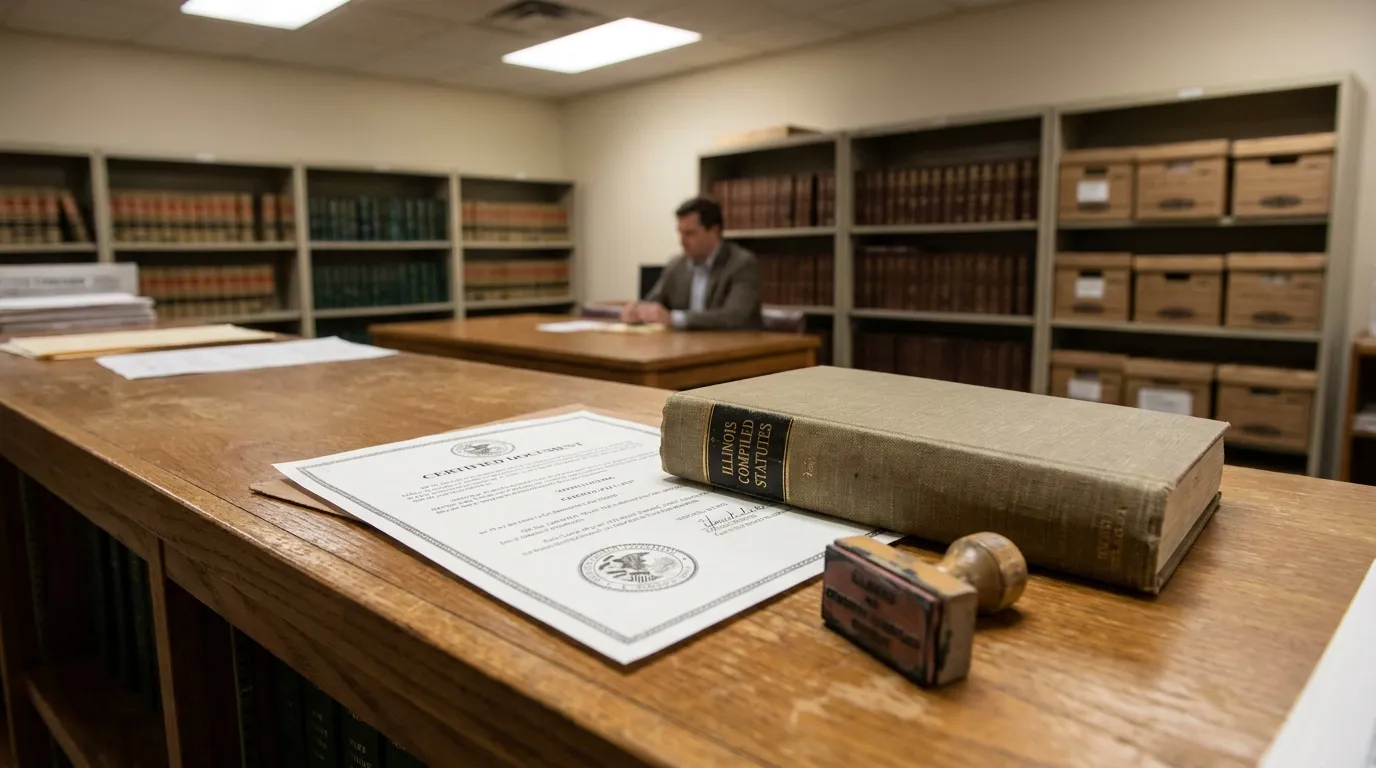
A citation to recover assets is a statutory procedure used to discover and recover estate property that others may be holding or have transferred. It is particularly useful when assets are at risk of dissipation, allowing an interested party to trace property. The proceeding falls under Article XVI of the Probate Act, titled “Recovery Of Property And Discovery Of Information,” framing the citation as a dual-purpose tool: it recovers assets and compels disclosure of information the estate needs.
The statute reaches a wide range of respondents. Under 755 ILCS 5/16-1(a)(1)-(2), a citation may issue against any person believed to have concealed, converted, or embezzled property, to have in their possession personal property, books, papers, evidences of debt, or title to lands belonging to the estate, or to be withholding information the representative needs. This breadth matters, because estate misconduct often hides behind incomplete records or evasive fiduciaries. When a fiduciary crosses the line, the conduct can amount to misappropriation of funds, and a citation can be one avenue for pursuing recovery.
💡 Pro Tip: If you suspect assets are being moved, document dates, account numbers, and communications early. Concrete tracing evidence strengthens a citation petition more than general suspicion.
Who Can File a Citation to Recover Assets
The Probate Act specifies exactly who has standing to start this proceeding. Under 755 ILCS 5/16-1(a), a citation issues “Upon the filing of a petition therefor by the representative or by any other person interested in the estate or, in the case of an estate of a ward by any other person.” Three categories of petitioners are recognized under Illinois probate act 16-1:
-
The estate’s representative, such as an executor or administrator charged with gathering estate assets.
-
Any other person interested in the estate, a category that generally includes heirs and beneficiaries with a financial stake.
-
Any other person, but only in the case of an estate of a ward, which broadens standing in guardianship contexts.
Heirs and beneficiaries frequently fall within the “interested party” category. For example, an heir-at-law in Illinois generally has standing in probate court, which is a foundational basis for being an interested party and pursuing asset recovery. This standing question is central, because who can file a citation often determines whether a concerned family member can act or must wait for a representative who may be conflicted or unresponsive.
Why Standing Often Hinges on Your Relationship to the Estate
Standing in these matters usually turns on your legal relationship to the decedent and the estate. Illinois intestacy law helps illustrate who interested heirs may be. When a person dies without a will, the statute generally allocates one-half of the estate to a surviving spouse and one-half to descendants per stirpes, or the entire estate to descendants if there is no spouse. Understanding where you sit in that structure clarifies whether you qualify as an interested party.
Before pursuing recovery, some interested parties need to open the estate first. Often, an heir or beneficiary may file a petition to compel production of the will and to open a probate case, ensuring they receive notice and access to the proceedings. This is often a practical prerequisite, because the court needs an open estate and defined interested parties. A knowledgeable estate litigation attorney in IL can help you sequence these steps correctly. You can learn more about inheritance rights through this Illinois inheritance rights discussion from a probate attorney.
The Enforcement Powers Behind a Citation
One reason this remedy carries weight is the court’s strong enforcement authority. Under 755 ILCS 5/16-1(d), the court may examine the respondent on oath, determine questions of title, and order that property or its proceeds be returned. If a respondent refuses to obey an order to deliver property, the court “may commit him to jail until he complies.” These are significant powers, though courts apply them based on the specific facts and evidence presented.
Procedural rules govern how the citation is served and heard. Under 755 ILCS 5/16-1(b)-(c), the citation generally must be served not less than 10 days before the return day. If the representative is the respondent, meaning the fiduciary accused of holding assets is running the estate, the court may appoint a special administrator to represent the estate’s interests. This safeguard addresses the conflict when the fiduciary is the alleged wrongdoer.
| Provision | What It Addresses |
|---|---|
| 755 ILCS 5/16-1 | Citation to discover and recover estate property and information |
| 755 ILCS 5/16-2 | Personal property claimed by a third party held by a representative |
| 755 ILCS 5/16-3 | Trial by jury on demand of a party to a Section 16-1 or 16-2 proceeding |
Related provisions round out the recovery framework. A third party may petition to reclaim personal property held by a representative under 755 ILCS 5/16-2, and parties may demand a jury to resolve title questions under 755 ILCS 5/16-3. These companion sections show that recovery disputes can involve competing claims and contested ownership, which is why building a clear evidentiary record matters.
💡 Pro Tip: If title to real estate or a closely held business is in dispute, ask early whether a jury demand under Section 16-3 fits your strategy. That decision can shape how the case is tried.
Practical Challenges Interested Parties Should Anticipate
Recovering missing estate assets in Illinois is rarely as simple as filing a petition. Respondents may deny possession, dispute ownership, or claim transfers were gifts or legitimate transactions. Because the statute allows the court to determine title questions, these proceedings can become fact-intensive, often benefiting from forensic accounting and valuation analysis. Outcomes depend heavily on the specific facts.
Timing and documentation are frequently decisive. When assets risk dissipation, acting promptly to trace property can preserve value that might otherwise be lost. Interested parties pursuing beneficiary rights in an Illinois estate should be aware that citations are civil probate proceedings, separate from any criminal referral a prosecutor might independently pursue. If you need trial-ready guidance, our trust and estate litigation IL team can help you weigh your position.
Frequently Asked Questions
1. Can a beneficiary file a citation to recover assets, or only the executor?
A beneficiary may often qualify to file. Under 755 ILCS 5/16-1(a), the representative, any person interested in the estate, or any other person in a ward’s estate may petition. Beneficiaries and heirs generally fall within the interested party category, though standing depends on the facts.
2. What kinds of property can a citation reach?
A citation can reach a broad range of assets. These include personal property, books, papers, evidences of debt, and title to lands belonging to the estate. It can also compel disclosure of information a representative needs to recover property.
3. What happens if the person refuses to return estate property?
The court holds meaningful enforcement power. It may examine the respondent under oath, determine title, order the return of property, and, in limited circumstances, commit a non-compliant respondent to jail.
4. What if the executor is the one hiding assets?
The statute anticipates this conflict. Under 755 ILCS 5/16-1(c), if the representative is the respondent, the court may appoint a special administrator to represent the estate, helping ensure the estate’s interests are independently protected.
5. How quickly should I act if assets may disappear?
Prompt action is generally advisable. When assets risk dissipation, moving quickly to can help preserve value, subject to the court’s discretion and the specific facts of your case.
Protecting Your Inheritance and the Decedent’s Intent
A citation to recover assets Illinois heirs and representatives can pursue is one of the most direct tools for confronting concealed or converted estate property. The Probate Act defines who may file, extends broad enforcement powers to the court, and provides companion procedures for third-party claims and jury trials. Still, standing, timing, and evidence all shape whether a claim succeeds, and every situation depends on its own facts.
If you suspect that estate property has been withheld, converted, or transferred, you do not have to navigate the process alone. The attorneys at King & Jones offer trusted guidance for heirs, beneficiaries, and representatives confronting missing estate assets in Illinois. Call 312-372-4142 or schedule a consultation online to discuss how a citation proceeding may fit your circumstances.
This article is for informational purposes only and does not constitute legal advice. Consult a qualified attorney regarding your specific situation.