Understanding How Illinois Estates Reclaim Missing Property
Key Takeaways: A citation to recover assets is a court-ordered proceeding under 755 ILCS 5/16-1 that compels a person believed to be holding, concealing, or withholding estate property to appear in court, answer under oath, and account for what they possess. It serves dual purposes: recovering tangible property and compelling disclosure of information needed to trace it. Standing is intentionally broad, allowing the estate’s representative or any interested heir or beneficiary to file. The proceeding is both investigative and adjudicative, letting the court examine respondents under oath, determine title disputes, and enter judgment. It carries real enforcement teeth, including jailing noncompliant respondents and taxing costs against them, while preserving fairness through a right to jury trial on contested ownership. Because it works best within an active probate case supported by solid tracing evidence, experienced counsel and prompt action help preserve evidence and assets.
When estate property goes missing, is hidden, or ends up in the wrong hands, Illinois law provides a focused tool to recover it. A citation to recover assets is a court-ordered proceeding that compels a person believed to be holding, concealing, or withholding estate property to appear in court, answer under oath, and account for what they have. The remedy is governed by the Illinois Probate Act of 1975, which supplies the statutory framework for the process. For families who suspect a sibling, caretaker, or fiduciary has quietly moved money or property, this proceeding is often the first meaningful step toward accountability.
If you believe estate assets have been concealed or diverted, the trust and estate litigation team at King & Jones can help you evaluate your options. Call us at 312-372-4142 or reach out through our secure contact page to discuss your situation.

What Is a Citation to Recover Assets Illinois Families Rely On?
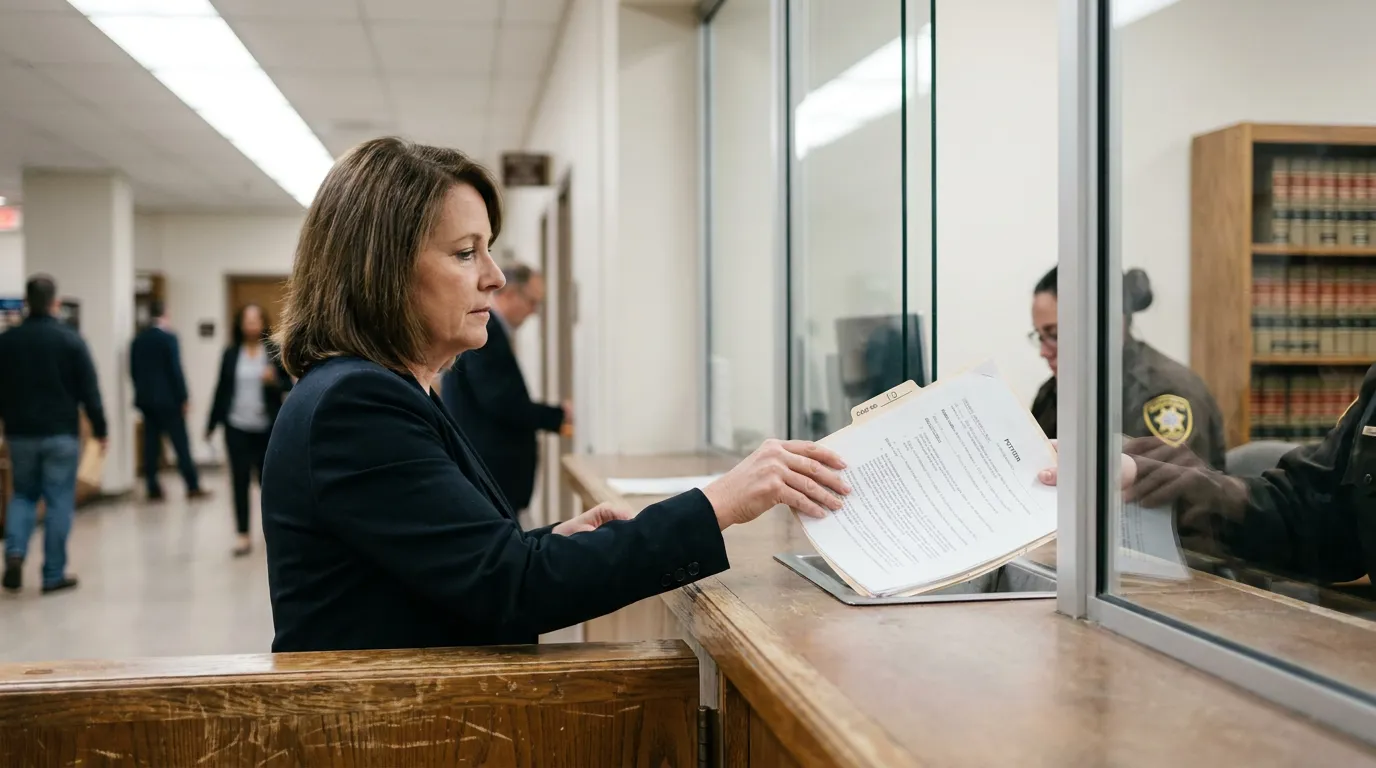
A citation to recover assets Illinois estates use is a statutory proceeding designed to locate and return property that belongs to a decedent’s estate. The proceeding is authorized by Section 16-1 of the Probate Act, and it serves two connected purposes: recovering property and compelling disclosure of information needed to trace it. A citation proceeding begins when the estate’s representative or any interested person files a petition, prompting the court to order a citation for the appearance of a person believed to be holding or concealing estate property. An heir, beneficiary, or executor does not have to sit idle while assets disappear.
The statute reaches a broad range of misconduct and property types. The court will order a citation to issue against anyone believed to have concealed, converted, embezzled, or to possess personal property, books, papers, evidence of debt, or title to lands belonging to the estate. That scope matters because estate disputes rarely involve just a bank account. They often involve business records, real estate deeds, and paper trails that must be produced before recovery is possible.
The Statutory Foundation Under 755 ILCS 5/16-1
The controlling authority is 755 ILCS 5/16-1, titled “Citation on behalf of estate.” The citation is authorized by Section 16-1 of the Illinois Probate Act of 1975, located within Article XVI (Recovery of Property and Discovery of Information). The full section is published in the Illinois Compiled Statutes. Because this is a statutory remedy, courts apply its requirements precisely, and procedural missteps can slow or complicate a case.
Who Can File and Against Whom
Standing to file is intentionally broad under the statute. Upon the filing of a petition by the representative or by any other person interested in the estate, the court shall order a citation to issue for the appearance of the person believed to hold or conceal estate property. This means beneficiaries and heirs are not limited to waiting for an executor to act. An interested party who suspects wrongdoing can initiate the proceeding directly, subject to the court’s supervision.
Two Situations the Statute Targets
Section 16-1 addresses two distinct problems. The statute targets persons who have concealed, converted, or embezzled, or have in their possession or control, personal property, books of account, papers, evidence of debt, or title to land belonging to the estate, as well as persons withholding information or knowledge needed by the representative to recover property. That second function is significant. The citation can also be used to compel a respondent who is withholding information or knowledge needed for recovery of property, functioning as a discovery mechanism. The tool works even when the respondent does not personally hold the property but knows where it went.
How the Citation Proceeding Works
The proceeding is both investigative and adjudicative. The court may examine the respondent under oath, hear evidence, determine all questions of title and adverse claims, and enter judgment as the case requires. This dual character allows a judge to first uncover facts and then decide ownership disputes within the same framework.
Common issues that arise include:
-
Tracing funds that a fiduciary or family member transferred before or after death
-
Recovering titles to real estate or interests in a closely held family business
-
Compelling production of books, records, and evidence of debt
-
Determining whether a transfer was a valid gift or a wrongful conversion
The Court’s Enforcement Teeth and Adverse Claims
This remedy carries real consequences for noncompliance. A respondent who refuses to answer proper questions or to deliver property may be committed to jail until compliance, and the court may enforce its orders against the respondent’s real and personal property. The court may also tax the costs of the proceeding against the respondent. These powers give the proceeding genuine leverage.
Related sections of Article XVI expand the rights available to the parties. These provisions include a right to a jury trial on questions of title and adverse claims under Section 16-3, and a parallel proceeding under Section 16-2 for third parties to recover property held by a representative. A respondent who claims to own the disputed property is not without recourse, and contested ownership issues can be tried before a jury upon proper demand.
💡 Pro Tip: If you fear assets may be moved or spent, ask counsel about emergency relief early. If assets are at risk of dissipation, a party may move for a temporary restraining order and seek a citation to discover and recover assets, to freeze and trace property held or transferred by others.
How the Citation Fits Into the Broader Probate Process
A citation rarely stands alone; it usually operates within an active probate case. The remedy fits within the broader probate process, where an interested heir first opens a probate case, files an appearance and demand for notice, and can request supervised administration, a bond, and early inventory and accountings before pursuing asset recovery. Building this foundation first often strengthens a later recovery effort.
Citation proceedings frequently overlap with fiduciary misconduct claims. When a trustee or executor is the wrongdoer, recovery may proceed alongside claims for breach of fiduciary duty. Readers dealing with a fiduciary who has diverted funds may find it helpful to understand misappropriation of trust funds, which often runs parallel to an asset recovery effort.
Frequently Asked Questions
1. Who can start a citation to recover assets in Illinois?
The estate’s representative or any other person interested in the estate may file a petition. This generally includes heirs and beneficiaries, subject to the court’s supervision.
2. What can the court do to a respondent who refuses to comply?
The court may commit a noncompliant respondent to jail until he complies and may tax the costs of the proceeding against the respondent. The court may also enforce its orders against the respondent’s property.
3. Can the citation be used just to get information?
Yes. The citation can compel a respondent who is withholding information or knowledge needed by the representative for the recovery of property, functioning as a discovery mechanism.
4. Is there a right to a jury trial?
Yes, in certain circumstances. Section 16-3 provides a right to a jury trial on questions of title and adverse claims raised under Section 16-1 or 16-2.
5. How quickly must the citation be served?
The citation must be served not less than 10 days before the return day, in the manner provided for summons in civil cases.
Protecting a Legacy Through Informed Action
A citation to recover assets Illinois beneficiaries can pursue is a powerful, statutory path to reclaim property that has been concealed, converted, or withheld from an estate. It combines investigation, adjudication, and enforcement in a single proceeding, and it works best when paired with a well-managed probate case and solid tracing evidence. Because outcomes turn on the specific facts and documentation, the guidance of experienced counsel can make a meaningful difference. If you are an heir or representative who suspects that estate property has been diverted, acting promptly helps preserve both evidence and value. The attorneys who handle Illinois trust and estate litigation at King & Jones focus on helping beneficiaries and fiduciaries protect what a decedent intended.
To discuss whether a citation to recover assets is right for your situation, contact King & Jones today. Call 312-372-4142 or send a message through our confidential intake form to speak with our trust and estate litigation team.
This article is for informational purposes only and does not constitute legal advice. Consult a qualified attorney regarding your specific situation.