
Understanding When a Lawyer’s Strategy Choice Crosses the Line in Illinois
Key Takeaways: A tactical litigation decision is generally protected by judgmental immunity in Illinois when the attorney makes an informed, reasonable strategic choice after adequate research and investigation. This protection has limits: decisions rooted in failure to investigate, misunderstanding controlling law, or ignoring obvious risks may fall outside the shield and support a malpractice claim. An unfavorable outcome alone is not proof of negligence, as Illinois courts ask whether the choice was reasonable at the time. To succeed, a plaintiff must prove duty, negligence, causation, and damages, with the "case within a case" causation burden often proving the most demanding. Timing matters, since 735 ILCS 5/13-214.3 generally imposes a two-year limitations period from discovery, along with a six-year statute of repose. Because these questions are fact-dependent, careful documentation and individualized review are essential to distinguishing protected judgment from actionable negligence.
A tactical litigation decision is often protected by judgmental immunity in Illinois, but that protection is not unlimited. When an attorney makes an informed, reasonable strategic choice, Illinois law generally shields that judgment call from a malpractice claim, even if the strategy fails. The protection depends on whether the attorney exercised reasonable skill and care. Where a lawyer fails to investigate, misunderstands governing law, or ignores obvious risks, the shield may not apply.
If you believe a lawyer’s strategy decision caused you real financial harm, the team at King & Jones can help you evaluate whether judgmental immunity applies. Call our office at 312-372-4142 to discuss your concerns, or reach us through our secure contact page to request a review.
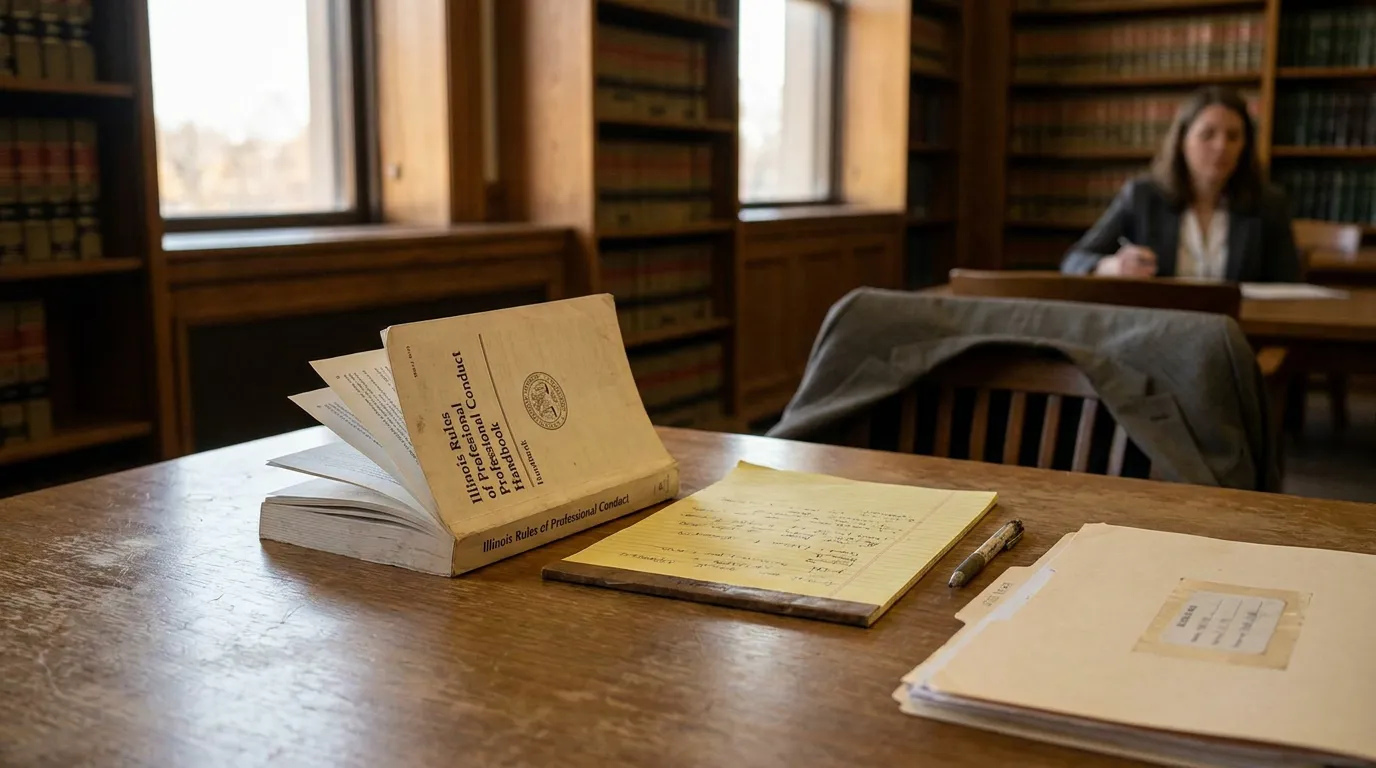
What the Judgmental Immunity Doctrine Actually Means
The judgmental immunity doctrine recognizes that attorneys must make difficult strategic choices without a guarantee of success. Litigation involves uncertainty, and lawyers routinely decide which arguments to raise, which witnesses to call, and which evidence to present. Illinois courts do not treat an unfavorable result as proof counsel breached the standard of care. The doctrine asks whether the decision was a reasonable exercise of professional judgment, made in good faith after adequate inquiry at the time.
Every attorney in Illinois owes a duty to exercise reasonable skill and care in representing a client, a standard drawn from decisions such as Smiley v. Manchester Insurance & Indemnity Co., 71 Ill. 2d 306, and Kerschner v. Weiss & Co., 282 Ill. App. 3d 497. Judgmental immunity operates as a boundary within that duty, not a blanket excuse. A choice made after adequate research is treated differently from one made in ignorance of settled law.
The Line Between an Honest Mistake and Negligence
Not every error rises to malpractice. Some mistakes reflect litigation’s inherent unpredictability, while others reflect genuine failure to meet professional standards. Courts examine what a reasonably careful attorney would have done under similar circumstances. This is where the concept of attorney error in judgment in IL becomes central. For a closer look at how the law separates forgivable missteps from actionable conduct, this discussion of the difference between an honest mistake and legal malpractice offers useful context.
How Judgmental Immunity Illinois Courts Apply the Rule in Real Cases
Illinois appellate decisions show how fact-dependent the analysis can be. In Lopez v. Clifford Law Offices, P.C. (Illinois Appellate Court, First District, 2005), a client retained counsel to pursue a wrongful-death action against a school district following his daughter’s drowning. The attorneys ended representation and advised that the limitations period was two years, when it was actually one year because the defendant was a municipal entity. The later-filed suit was dismissed as time-barred. The court held questions of fact existed as to causation, found the dismissal improper, and reversed and remanded. The full text of the Lopez appellate opinion illustrates how Illinois courts weigh attorney conduct against reasonable care standards.
The broader takeaway is that labeling a decision a "judgment call" does not automatically defeat a claim. Courts still examine whether the decision was informed and reasonable, or whether it fell below competent attorney standards.
Tactical Choices That May Not Be Protected
Judgmental immunity generally protects decisions only when they follow adequate preparation. A tactical choice made without proper investigation, or one that overlooks controlling authority, may not qualify. Consider a defense attorney who declines to use available exculpatory evidence at trial. If that reflects reasoned strategy, it may be shielded, but if it reflects failure to understand the record or law, a tactical decision malpractice IL claim may proceed.
Common situations where courts may find the shield does not apply include:
- Failing to investigate key facts before choosing a strategy
- Misunderstanding or ignoring controlling statutes or binding case law
- Missing a filing deadline and later characterizing it as "strategic"
- Overlooking obvious material risks a reasonable attorney would address
💡 Pro Tip: If you suspect a strategy decision covered inadequate preparation, preserve the case file, correspondence, and written explanations from your former attorney early.
The Elements Behind Every IL Malpractice Claim
Judgmental immunity fits within a larger framework every plaintiff must satisfy. To succeed in a legal malpractice case in IL, a client must prove four elements.
| Element | What It Requires |
|---|---|
| Attorney-client relationship | A duty owed by counsel to the client |
| Negligence | Conduct falling below the standard of care |
| Causation | That "but for" the negligence, a better result would have followed |
| Damages | Actual, quantifiable financial harm |
The causation element frequently proves the most demanding hurdle. A plaintiff must reconstruct the underlying matter, the "case within a case", to show a different decision would have produced a better outcome. In settlement-undervaluation disputes, the hardest task is proving the case was worth more than the amount accepted. This ordinarily requires expert testimony from another attorney experienced in the underlying area of law.
Accepting a settlement does not automatically end your rights. In Illinois, depositing a settlement check resolves the claim against the defendant but does not, by itself, waive a separate malpractice claim against your attorney.
Deadlines That Can Quietly End an IL Malpractice Claim
Timing can be as decisive as the merits. Under 735 ILCS 5/13-214.3, the Illinois statute of limitations for legal malpractice is generally two years from when the client knew or reasonably should have known of the injury. A six-year statute of repose may also bar claims regardless of discovery date, subject to specific exceptions. Illinois courts interpret these deadlines carefully and apply discovery-based exceptions narrowly.
The point at which the clock starts can be uncertain. The two-year period runs from discovery of injury, not necessarily when representation ends. In many cases a client is not injured until harm becomes realized and irreversible. The Illinois Supreme Court has recognized that malpractice injury may not accrue until an adverse judgment is entered in the underlying matter. This is fact-sensitive, and readers should not assume tolling or delayed start dates apply automatically.
Distinguishing Civil Deadlines From Other Processes
Civil malpractice deadlines are separate from disciplinary processes. Filing a complaint with a lawyer regulatory body does not extend or replace the civil statute of limitations. Anyone concerned about a possible claim should treat the civil deadline as controlling for a lawsuit seeking damages.
Practical Guidance for Evaluating a Possible Claim
A careful, factual review is the most reliable way to assess a potential claim. Because judgmental immunity turns on what the attorney knew and did at the time, documentation is essential. Gather the underlying case file, engagement letters, emails, and records showing what strategy was chosen and why. This evidence helps distinguish protected judgment from breach of duty.
For those researching IL litigation strategy immunity, the Illinois State Bar Association maintains a curated index of articles on legal malpractice defense in Illinois that reflects how these doctrines evolve. General information is no substitute for individualized review of your facts.
If you want a rigorous, trial-tested evaluation of whether the judgmental immunity doctrine applies, working with a judgmental immunity Illinois lawyer can help you understand the strengths and weaknesses of a potential claim. The same analysis serves attorneys defending allegations, where the focus centers on whether the standard of care was met and whether causation and damages are legally supported.
Frequently Asked Questions
1. Does an unfavorable verdict automatically mean my lawyer committed malpractice?
No, a bad result alone is not enough. Illinois courts recognize litigation is uncertain, and reasonable strategic choices may be protected even when they fail. A viable claim requires proof the decision fell below the standard of care and caused quantifiable harm.
2. Can I still sue for malpractice after accepting a settlement in IL?
In many cases, yes. Depositing a settlement check resolves the claim against the defendant but does not waive a separate malpractice claim against your attorney. The two claims address different questions.
3. What makes a settlement-undervaluation claim so difficult?
Proving the case was worth more than the settlement is usually hardest. This typically requires expert testimony from another attorney experienced in the underlying area about the reasonable claim value. Without that proof, the causation element often fails.
4. How long do I have to file a legal malpractice claim in Illinois?
Generally two years from discovery under 735 ILCS 5/13-214.3. A separate six-year statute of repose may also apply, and courts read exceptions narrowly. Because the start date can be uncertain, prompt review is wise.
5. Are tactical decisions ever unprotected by judgmental immunity?
Yes, under certain circumstances. When a choice reflects inadequate investigation or misunderstanding of controlling law rather than reasoned strategy, the shield may not apply. The analysis remains highly fact-dependent.
Bringing the Pieces Together
Whether a tactical litigation decision is protected depends on the care behind it, not just the outcome. Illinois law generally shields informed, reasonable strategic choices, yet does not protect decisions rooted in neglect of facts or law. The four elements of malpractice, the "case within a case" burden, and the two-year limitations period all shape whether a claim can move forward. Because these questions are fact-sensitive, outcomes vary with the specific record.
If you are weighing an IL malpractice claim or defending against one, King & Jones is ready to provide a thorough, doctrinally grounded evaluation. Call 312-372-4142 to speak with our team, visit King & Jones online to learn more, or send your details through our confidential intake form to get started. Acting before the deadline runs can make all the difference.
This article is for informational purposes only and does not constitute legal advice. Consult a qualified attorney regarding your specific situation.