
Can You Get Punitive Damages in an Illinois Legal Malpractice Case?

What Section 2-1115 Says About Punitive Damages The statute is short and direct. It is titled “Punitive damages not recoverable in healing art and legal malpractice cases,” and covers both medical and legal malpractice. Under 735 ILCS 5/2-1115, the ban reaches every type of extra-compensatory award, including: Punitive damages, which are meant to punish the […]
Can a Good-Faith Error in Judgment Bar a Malpractice Claim in IL?

Understanding When an Attorney’s Judgment Call Becomes Actionable Key Takeaways: A good-faith error in judgment can bar a legal malpractice claim in Illinois, but it is not an automatic shield. Illinois law holds attorneys to a standard of reasonable care, not perfection. An honest, well-reasoned decision that later proves unfavorable is treated differently from conduct […]
What Is the Difference Between an ARDC Complaint and a Malpractice Suit in IL?

Two Very Different Paths When an Attorney Falls Short Key Takeaways: In Illinois, an ARDC complaint and a malpractice lawsuit are separate paths differing primarily in goal: discipline or compensation. An ARDC complaint asks a state regulator to investigate professional misconduct and can affect a lawyer’s license, but awards no money to a harmed client. […]
Can a Creditor Void an Insider Asset Transfer Under Illinois Law?

When a Debtor Hides Assets: A Creditor’s Path to Reversal Key Takeaways: A creditor can void an insider asset transfer in Illinois under the Illinois Uniform Fraudulent Transfer Act (740 ILCS 160), adopted in 1989. Transfers may be challenged on two theories: actual intent to hinder, delay, or defraud a creditor, or constructive fraud, where […]
Is a Tactical Litigation Decision Protected by Judgmental Immunity in Illinois?

Understanding When a Lawyer’s Strategy Choice Crosses the Line in Illinois Key Takeaways: A tactical litigation decision is generally protected by judgmental immunity in Illinois when the attorney makes an informed, reasonable strategic choice after adequate research and investigation. This protection has limits: decisions rooted in failure to investigate, misunderstanding controlling law, or ignoring obvious […]
What Are the Four Elements Required to Prove Legal Malpractice in Illinois?

When a Trusted Attorney Falls Short: Understanding Malpractice in Illinois Key Takeaways: To prove legal malpractice in Illinois, a plaintiff must establish four elements: an attorney-client relationship creating a duty, breach of that duty, causation under the “but-for” test, and actual quantifiable damages. Breach typically requires supporting testimony from another qualified attorney unless negligence is […]
How Are Legal Malpractice Settlement Amounts Calculated in Illinois?

Putting a Number on Attorney Negligence: What Illinois Claimants Should Know Key Takeaways: Legal malpractice settlement amounts in Illinois are determined by proving duty, breach, causation, and damages, then quantifying the concrete financial loss caused by an attorney’s error. Recovery depends on causation evidence, including standard-of-care testimony, and reconstructing the underlying matter through a “case-within-a-case” […]
Arbitration, Mediation, and Litigation: What Businesses Need to Know Before Entering a Dispute
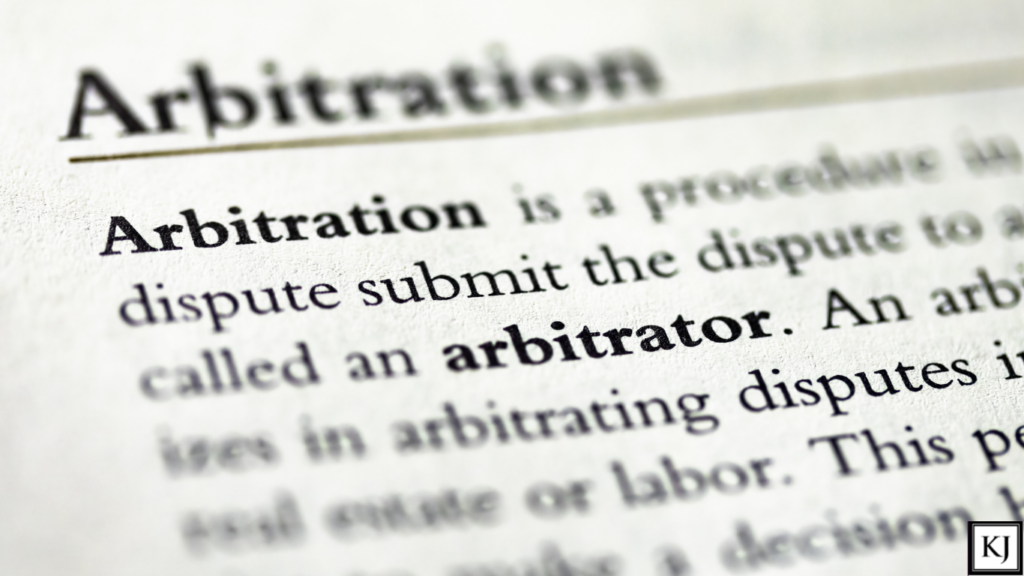
When business disputes arise, many companies assume they’ll be headed to court. But in today’s commercial landscape, an increasing number of contracts include arbitration clauses, which require parties to resolve disputes privately, outside the courtroom. There are also many instances when voluntarily engaging in mediation or arbitration has advantages over litigation. Below is a […]